
I have always kept food in the house, because I was brought up properly and because the weather in Scotland has never once asked permission before making a nuisance of itself.
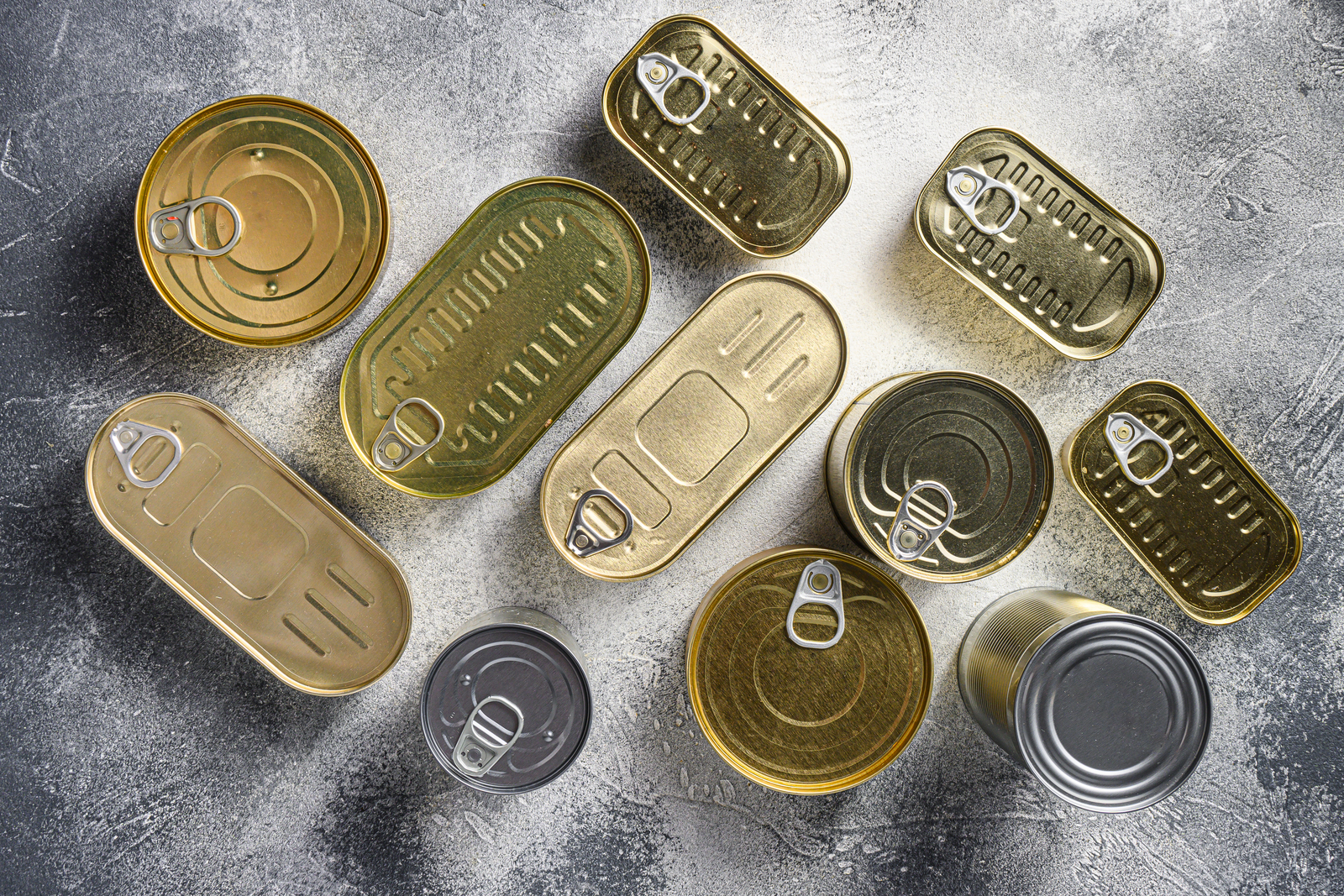
There are tins in the cupboard, batteries in a drawer, candles in the hall cabinet, and a torch that works provided nobody has taken the batteries out for a remote control and then looked innocent when questioned. There is tea. There is soup. There are oatcakes. There is usually enough in the house to survive a power cut, a blocked road, or a sudden visit from someone who says they will not stay long and then removes their shoes.
So I am not against being prepared.
What I am against is opening the news and discovering that my ordinary household cupboard has apparently been recruited into national defence.
We are now being encouraged to prepare for disruption caused by severe weather, cyber attack or hostile-state activity. There is, I think, no way to say that sentence and make it sound less alarming. You can set it beside a phrase like “common sense domestic readiness”, but that is like putting a tea cosy on a hand grenade and hoping the kitchen looks normal.
Severe weather I understand. I have met February. I have watched the wind blow a woman across an icy car park while her husband followed behind on his hands and knees, still insisting, in the calm voice men use just before meeting a paramedic, that everything was fine. I know what rain can do to an ordinary cottage when it decides the garden would be improved by a moat. Severe weather belongs in the same sentence as candles and shoes with a grip approved by mountain rescue.
Cyber attack is different. That sounds as if it should be handled by a young man in a fleece in a secure room, not by me standing in the pantry counting tins of peaches.
Hostile-state activity is worse. Nothing says peaceful Sunday afternoon like wondering whether the baked beans are now part of the country’s strategic reserve.
I am not sure how far one is meant to take this. Should I prepare as though the Russians might be coming for dinner? If they surface from a submarine off the coast, scale the cliffs, hike across the field and appear at the door looking for a meal, I am afraid I have not stocked vodka. They can have tea like everyone else, and they will wipe their boots before crossing my floor.
This is the problem with saying “hostile-state activity” to ordinary people. We are left to imagine the rest. Am I to buy extra for myself, my neighbours, the dog, or a wet man from Murmansk who has misread his orders and followed the smell of mince and tatties up the hill?
There should be a clearer line between reasonable preparation and turning the pantry into a branch office of NATO.
Or perhaps I have misunderstood the threat. Perhaps it simply means Mr Gunn may be disappointed if there is no milk for his tea.
Now, in official terms, powdered milk would count as sensible household resilience. In marital terms, they would be an escalation. Mr Gunn is a tolerant man in many respects, but if civilisation reaches the point where he is expected to put powdered milk in his morning tea, he will not sit quietly and admire the national strategy. He will put on his coat and go looking for whoever has interfered with the local supply line.
This is where government guidance always underestimates the public. It imagines us calmly rotating tins, checking batteries and making sensible little notes in a household emergency folder. It does not imagine a Highland man standing in the kitchen with a mug of milkless tea, staring into the middle distance like a laird betrayed, while I explain that his breakfast has been affected by international events.
This is the difficulty with the Government’s official language. It tries to tiptoe through the back door in army boots, then stands by the kettle looking for the biscuit tin. “Common sense domestic readiness” sounds harmless enough, until you realise it means the great machinery of state may have had a wee lie down, and the whole of Scotland is checking the expiry dates on the corned beef at the back of the shelf.
I have no objection to common sense. Common sense used to be a virtue. Now it is starting to sound like a policy handover.
There must surely be a series of other failures before responsibility reaches the kitchen shelf. Someone, somewhere, must first have asked whether the power companies had taken matters into their own hands. Then the water companies. Then the phone networks. Then the supermarkets. Then the regulators, emergency planners, local authorities, civil servants, consultants, committees and men in lanyards who say “resilience” while standing beside a flip chart.
Only after all that, surely, should the nation be asked to stock emergency soup.
It is not that the advice is wrong. Much of it is perfectly sensible. But the phrasing gives the game away.
If the problem is snow, say snow. If the problem is drought, say drought. If the problem is power cuts, tell us what has been done to keep the lights on. If the problem is a cyber attack, tell us who is responsible for defending the systems before I am expected to defend myself with a tin of lentils and a packet of dry crackers.
A packet of biscuits, however comforting, will not deter a hostile state, though I would back a determined Scottish woman with a rolling pin before some departments I could mention.
And for how long are we preparing? Three days? A week? A fortnight? Until oil is flowing through the strait again? It would help to know whether I am making sensible provision for a power cut or quietly opening the smallest branch of Costco in the Highlands.
There is also the small matter of where we are meant to put it.
Government advice is often written as if every household has a cool dry store room, a utility area, a garage, a cellar, a pantry and perhaps a spare shelf labelled “civil unrest”.
Many Scottish homes have one cupboard under the stairs containing the hoover, the Christmas decorations, three coats nobody wears, a damp mop and a bag of carrier bags that has become part of the family. Nobody planned it this way. It simply happened, as all storage happens, by someone saying, “I’ll put this here for now,” and a decade passing.
A typical kitchen does not have room for a national emergency. It has room for teabags, cereal, one ambitious baking tin and whatever has fallen down the back and is waiting to be discovered by archaeologists. If we need to plan for more than a month, Mr Gunn will have to sleep standing up in the hall. There is a practical limit to how much readiness can be wedged between the pasta and the waffle maker we bought during a period of optimism.
Mr Gunn, naturally, would say we could use the shed.
Men always say this.
The shed is not storage. The shed is paint tins, old screws, cable, mysterious brackets, half-used sealant, three things Mr Gunn described as “too good to throw out”, and a lawnmower positioned as if awaiting evacuation. Nothing enters the shed and returns in the same generation. If I put emergency supplies in there, they might not be seen again until a there is crisis involving my adult great-grandchildren.
So the cupboard it is.
I will make space. I will move the Christmas plates. But I would still like the Government to be more precise about when my pantry became operational.
Because there is ordinary preparedness, and then there is the feeling that the public is being handed a tin opener and asked to look brave.
But if the final plan is a tin of soup, someone should at least have the manners to tell me whether I am command, logistics, catering, or simply the woman expected to know where the matches are.