
Demand continues to outstrip the availability of homes across much of the Highlands, with Inverness accounting for a particularly large share of applications.
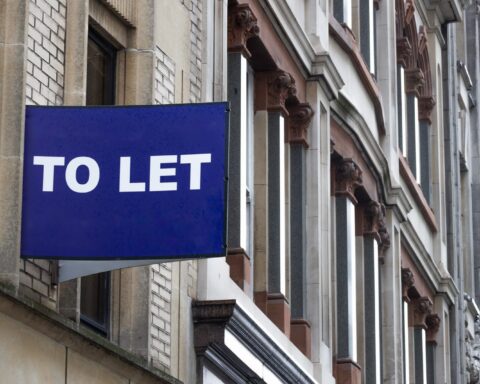
More than 8,800 households are registered for social housing in Highland, with the supply of available homes continuing to fall short of demand in many parts of the region.
Highland Council’s annual review of its housing register found that 8,826 households were waiting for housing or seeking a transfer during 2025-26.
The pressure is particularly concentrated in Inverness.
About 42% of applicants named Inverness as their first choice of location, while only 29% of available properties were in the city.
The figures illustrate one of the central difficulties facing Highland housing policy: the issue is not solely the total number of houses, but whether homes of the right size and tenure exist in the places where people need them.
Half of the applicants on the Highland Housing Register are single people, adding to demand for smaller properties.
During 2025-26, 1,592 households secured a tenancy through the register. More than half of all properties allocated — 891 homes, or 56% — went to households experiencing homelessness. That proportion was four percentage points higher than in the previous year.
About one in five households receiving a home had health-related housing needs, while almost one in five had previously been living in overcrowded accommodation.
The council said 13 households, including people with complex health and support needs, moved into their first independent tenancies. Fourteen care-experienced young people were housed through the Highland Protocol, while 23 serving or former members of the Armed Forces also secured homes.
The pressure has persisted despite additional housing construction. Earlier council papers showed the number of register applications had risen from 8,767 at the end of March 2025 to 8,826 a year later.
They also recorded 880 house completions across all tenures during 2025-26, down from 1,000 in the previous year. Of those, 499 were affordable housing completions.
Housing shortages in Highland carry consequences beyond individual applicants. Employers in some areas have struggled with the availability of accommodation for workers, while high prices, private rents and the geography of the region can leave households with few realistic alternatives.
Highland Council said it would continue working with housing associations, developers and landowners to increase affordable housing, return empty homes to use and expand the housing stock.
The council is also reviewing its allocations policy.
The latest figures show, however, that new housing will have to do more than increase the regional total. With more than four in ten applicants seeking Inverness as their preferred location, the geographical mismatch between demand and supply remains one of the more difficult parts of the Highland housing problem.