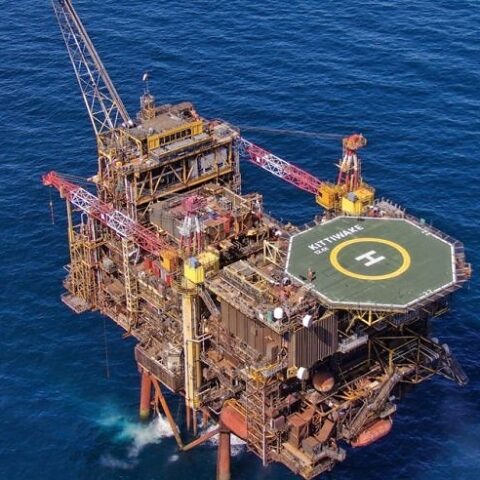

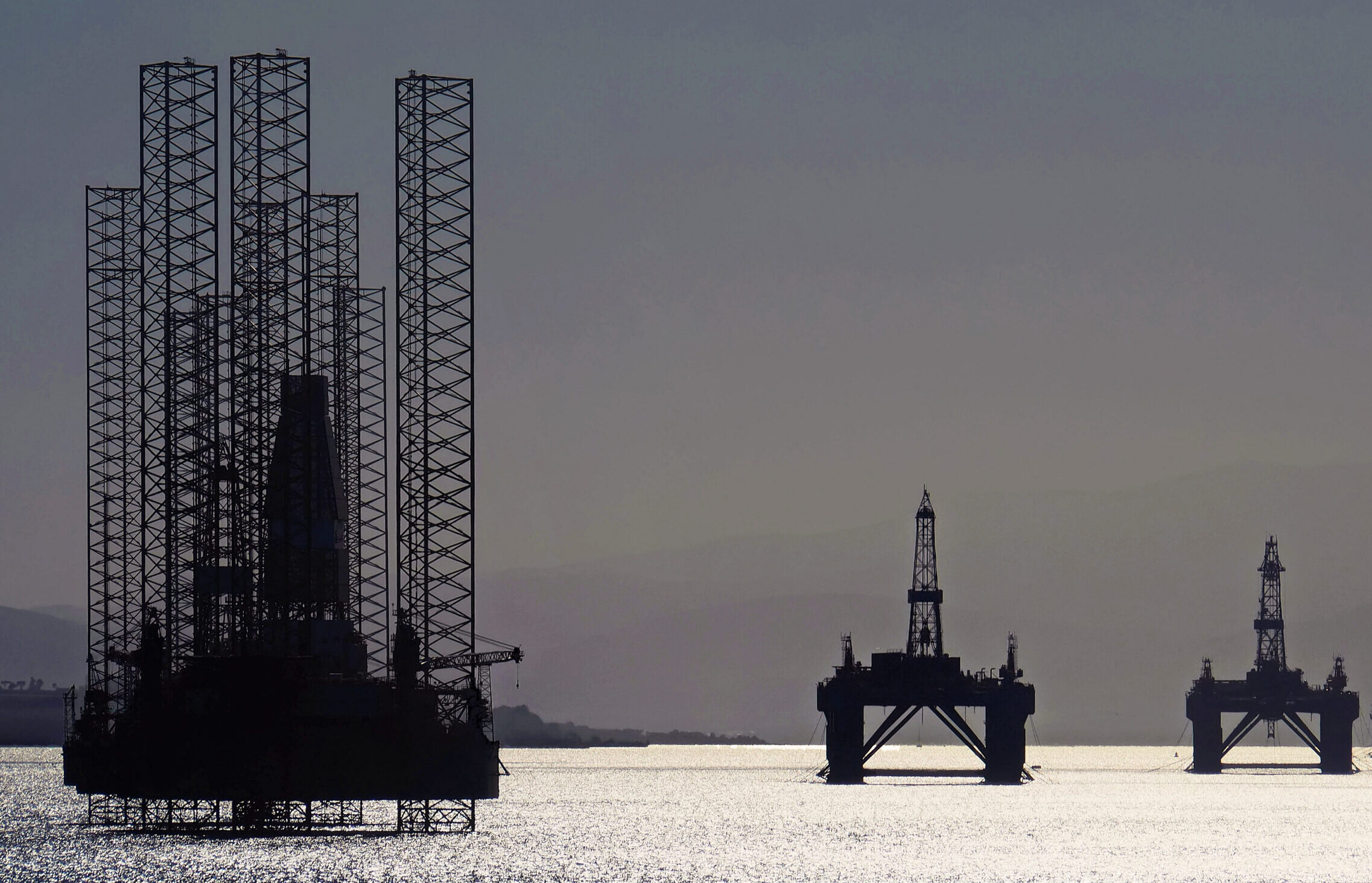
A £24.7 billion programme to dismantle ageing North Sea oil and gas infrastructure is expected to overlap with a major expansion of offshore wind construction, creating growing competition for specialist vessels, engineering personnel and harbour facilities.
The forecast, published by Offshore Energies UK on 23 November, covers decommissioning expenditure across the UK Continental Shelf between 2026 and 2035.
The industry organisation estimates that the programme will involve work on 1,834 wells, removal of 135 platform topsides and disposal or recovery of 126 subsea structures.
Approximately 56% of the projected expenditure is concentrated in the Central North Sea, the offshore region extending eastwards from Scotland.
The corresponding share of the forecast is approximately £13.8 billion over the ten-year period.
The programme involves industrial operations extending well beyond the removal of visible platforms.
When a field reaches the end of its productive life, operators must permanently secure wells, isolate reservoirs and undertake the removal or treatment of infrastructure in accordance with regulatory requirements.
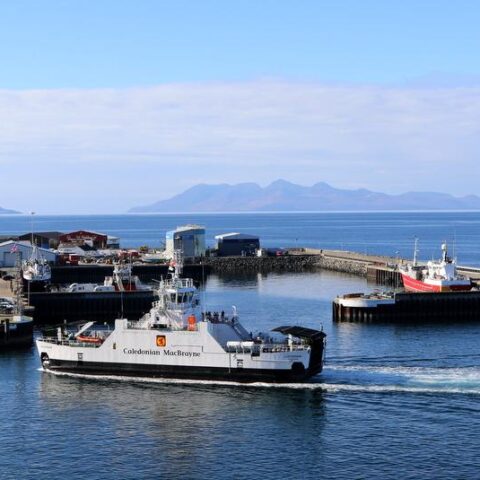
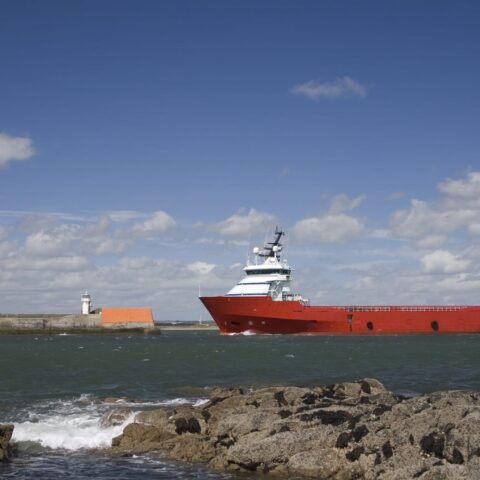
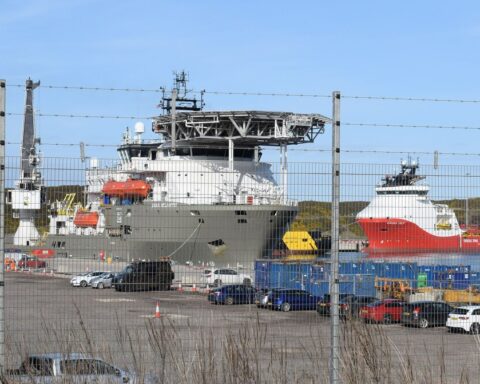
The work can require drilling rigs, specialist well-intervention vessels, heavy-lift ships, diving and subsea equipment, engineering yards, transport facilities and licensed waste-processing services.
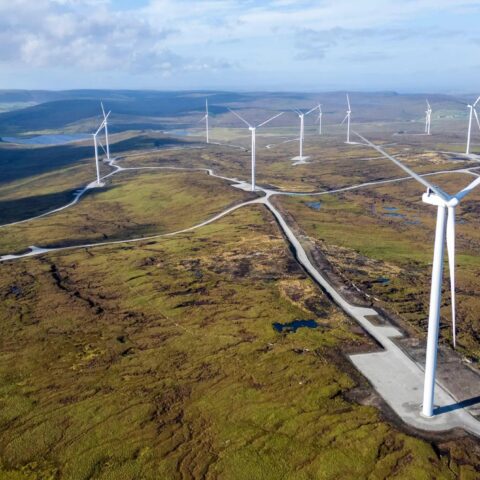
Much of the equipment and expertise is also needed to build offshore wind farms.
Offshore Energies UK forecasts that annual offshore wind capacity additions could reach 5.2 gigawatts in 2029, followed by more than three gigawatts annually between 2031 and 2035.
Those periods coincide with substantial scheduled decommissioning work.
The industry body warns that insufficient coordination between offshore operators and renewable energy developers could produce competition for limited resources, increasing costs and delaying projects.
Its recommendations include earlier contract awards, clearer project schedules, coordination between compatible offshore operations and investment in ports capable of handling dismantled infrastructure.
The new forecast follows evidence that decommissioning expenditure is already increasing.
The North Sea Transition Authority reported in August that operators spent a record £2.6 billion on decommissioning during 2025, compared with £2.4 billion in 2024.
The regulator estimates that the remaining lifetime cost of dismantling infrastructure across the UK Continental Shelf stands at £43.4 billion in 2025 prices.
That figure covers the remaining programme beyond the ten-year period considered by Offshore Energies UK.
Despite the record expenditure in 2025, the authority’s estimate of the remaining total cost declined only marginally from £43.6 billion.
Inflation, market uncertainty and competition for specialised offshore resources have offset some of the financial benefits achieved through operational improvements.
Well abandonment remains one of the most substantial components of expenditure.
Operators carried out decommissioning work on 257 wells during 2025, with 114 reaching final abandonment. Approximately 500 inactive wells were still awaiting final abandonment, while more than 1,000 additional wells are expected to require decommissioning over the next five years.
The regulator has introduced measures intended to improve cooperation between operators and reduce unnecessary expenditure.
Seventeen offshore companies have supported a well decommissioning charter that includes sharing information and considering the use of specialised vessels instead of drilling rigs for some final wellhead removal operations.
Industry estimates cited by the regulator suggest that changing the vessels used for those operations could reduce the cost of subsea wellhead removal by approximately 30%, although the savings remain prospective.
There are also consequences for public finances.
Decommissioning is an obligation of the companies responsible for offshore installations, but eligible expenditure can attract tax relief. The cost of completing the remaining programme therefore affects both operators and the Exchequer.
The North Sea Transition Authority says UK-based businesses secured 71% of the value of decommissioning contracts awarded during 2025.
That proportion exceeded the voluntary domestic-content commitment established under the North Sea Transition Deal.
It does not establish that the same share of future contracts will be awarded to Scottish firms or that the resulting expenditure will be concentrated in Scottish ports.
Modern Scot reported on 11 November that Scotland’s offshore supply chain was facing increasing pressure as energy companies considered opportunities outside the UK.
The new decommissioning forecast identifies a substantial volume of forthcoming work, but also confirms that competition for the resources required to deliver it is expected to intensify.
The timing of offshore projects, the availability of specialist equipment and the willingness of operators to issue contracts sufficiently far in advance will influence how much of the expenditure remains within Scotland’s industrial economy.
Operators, contractors, regulators and researchers have been examining these problems at the Offshore Decommissioning Conference in St Andrews, which concludes on 25 November.
Sources
Decommissioning Insight 2026 — Offshore Energies UK, 23 November 2026.
https://oeuk.org.uk/https-oeuk-org-uk-decommissioningreport/
UK Continental Shelf Decommissioning Cost and Performance Update 2026 — North Sea Transition Authority, 13 August 2026.
https://www.nstauthority.co.uk/news-publications/ukcs-decommissioning-cost-and-performance-update-2026/
Leading North Sea Operators Back NSTA Well Decommissioning Charter — North Sea Transition Authority, 13 August 2026.
https://www.nstauthority.co.uk/news-publications/leading-north-sea-operators-back-nsta-well-decommissioning-charter/
Scotland’s North Sea Supply Chain at Risk as Energy Firms Look Overseas — Modern Scot, 11 November 2026.
https://modern.scot/scotlands-north-sea-supply-chain-at-risk-as-energy-firms-look-overseas/