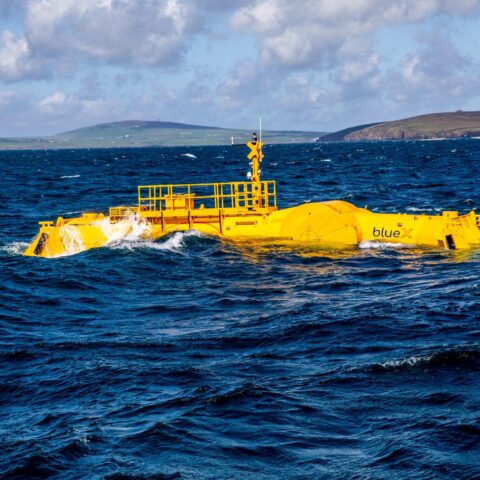

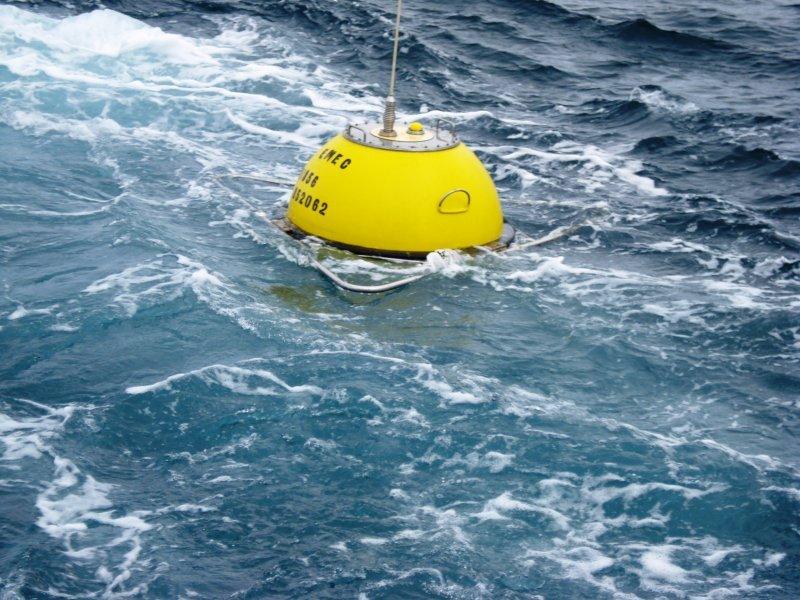
Eight additional wave-monitoring buoys are being introduced around Scotland’s coastline under a £970,000 government-funded programme intended to address approximately 90% of identified gaps in coastal wave observations.
The Scottish Environment Protection Agency (SEPA) confirmed on 16 November that equipment deployed off Stonehaven, in the Moray Firth and near Orkney is already supplying information to its operational coastal flood forecasting system.
Further installations are planned for Scotland’s west coast in December, depending on weather conditions.
The programme involves SEPA, the Northern Lighthouse Board and the Centre for Environment, Fisheries and Aquaculture Science (Cefas).
Measurements collected offshore will contribute to flood forecasts, warnings and longer-term assessments of changing sea conditions around Scotland.
Gaps in Coastal Monitoring
Scotland’s coastline includes mainland communities, islands, harbours, estuaries and low-lying coastal settlements exposed to different combinations of tides, waves and storm surges.
Conditions can vary considerably between neighbouring stretches of coast.
Large waves may affect one harbour while a nearby settlement experiences different conditions because of its exposure, coastal shape or the direction from which waves arrive.
Coastal flood forecasting therefore requires information about more than predicted tide levels.
SEPA uses observations and forecasting models to assess conditions that could cause flooding, including high tides, storm surges and wave activity.
The newly funded equipment will increase the number of locations where wave conditions can be measured directly.
According to the Scottish Government, completing the programme should address approximately 90% of the gaps previously identified in SEPA’s nearshore wave-monitoring coverage.
This refers to gaps in the monitoring network, rather than a 90% reduction in coastal flood risk.
New Equipment Already Operating
The latest deployments include buoys off Stonehaven, in the Moray Firth and near Orkney.
SEPA reports that observations from the new instruments have already been incorporated into its operational forecasts.
Data from new and existing buoys were collected during a succession of storms affecting Scotland in late October.
The measurements allowed forecasters to compare observed wave conditions with information used in their prediction models.
Wave-monitoring instruments can provide measurements including wave height, wave period and wave direction.
Wave period records the time between successive waves, while wave direction establishes where the waves are travelling from.
These measurements help forecasters examine how waves approaching particular sections of coastline may interact with tides, storm surges and local geography.
Northern Lighthouse Board Deploys the Equipment
The Northern Lighthouse Board is responsible for installing the additional buoys at sea on SEPA’s behalf.
Its crews and specialist vessels have been used to transport, position and deploy the equipment.
The organisation, which maintains lighthouses and other aids to navigation around Scotland and the Isle of Man, also undertakes specialist marine operations.
Those activities include the deployment and recovery of environmental monitoring instruments.
Cefas is providing wave-monitoring equipment and supporting its operation and maintenance.
The agency coordinates WaveNet, a UK-wide monitoring network established in 2002.
WaveNet brings together observations from instruments around the coastline and makes wave data publicly accessible.
The information is used by scientists, maritime operators and organisations involved in coastal forecasting and research.
Dr Tom Hull, Cefas’s Principal Investigator for Marine Autonomous Observations, confirmed that the new Stonehaven and Orkney sites are being added to WaveNet.
The programme allows observations collected at these sites to contribute to a wider system of coastal and marine monitoring.
Scotland Began Expanding Its Nearshore Network in 2024
SEPA’s nearshore wave-monitoring network began with equipment deployed at Arbroath and Eyemouth in 2024.
The £970,000 programme builds on those earlier installations.
The funding was identified in the Scottish Government’s National Adaptation Plan Annual Report for 2025–2026 under its coastal resilience programme.
The objective is to improve the coverage of observations needed for coastal flood forecasting and provide information about changing wave conditions over longer periods.
Sea levels and wave conditions are both relevant to assessing future coastal flood exposure.
A rise in mean sea level can increase the likelihood that high tides and storm surges will reach coastal land, roads and buildings.
Waves can add to those effects through overtopping, when water passes over coastal defences, harbour walls or other shoreline structures.
Monitoring equipment provides observations that can be compared with previous conditions and used to improve future assessments.
Scottish Government Shown Live Measurements in Aberdeen
Cabinet Secretary for Climate Action and Rural Affairs Gillian Martin visited SEPA’s Aberdeen office on 16 November.
During the visit, SEPA staff demonstrated how measurements arriving from the offshore buoys are combined with forecasting models.
The minister was shown how the information contributes to assessing where and when coastal flooding may occur.
SEPA Chief Executive Nicole Paterson said the observations were already being used by the agency’s forecasting specialists.
The regulator expects the additional monitoring sites to provide more information about the conditions associated with flooding around the coastline.
The published programme announcement does not quantify how much additional warning time the new network will provide to individual communities.
Warning performance will depend on the conditions being forecast, the information available and the forecasting models used.
West Coast Installations Planned for December
SEPA expects further equipment to be deployed along Scotland’s west coast in December, weather permitting.
The regulator has not identified every proposed west coast location in its 16 November announcement.
Once the installations are complete, the eight additional buoys will form part of a wider observation network supporting coastal forecasting and research.
Information from the network is available through Cefas WaveNet, while SEPA publishes flood forecasts and warnings for communities across Scotland.
The additional monitoring will provide direct measurements from coastal waters where observation coverage was previously limited.
Those records will contribute to forecasting during future storms and to the assessment of longer-term changes affecting Scotland’s coastline.
Sources
New Wave Buoys Help Scotland Prepare for Storms and Rising Seas
Scottish Environment Protection Agency, 16 November 2026
https://beta.sepa.scot/news/2026/new-wave-buoys-help-scotland-prepare-for-storms-and-rising-seas/
Scottish National Adaptation Plan Annual Report 2025–2026
Scottish Government, June 2026
https://www.gov.scot/publications/scottish-national-adaptation-plan-annual-report-2025-2026/
WaveNet — Wave Monitoring and Marine Data
Centre for Environment, Fisheries and Aquaculture Science
https://www.cefas.co.uk/data-and-publications/wavenet/
WaveNet — Live Observations
Centre for Environment, Fisheries and Aquaculture Science
https://wavenet.cefas.co.uk/
Scottish Flood Forecast
Scottish Environment Protection Agency and Met Office
https://scottishfloodforecast.sepa.org.uk/