


Advertisement
Advertisement
13.1K views

A Country Without Tellers: How Scotland Lost Its Banks

13 August 2026
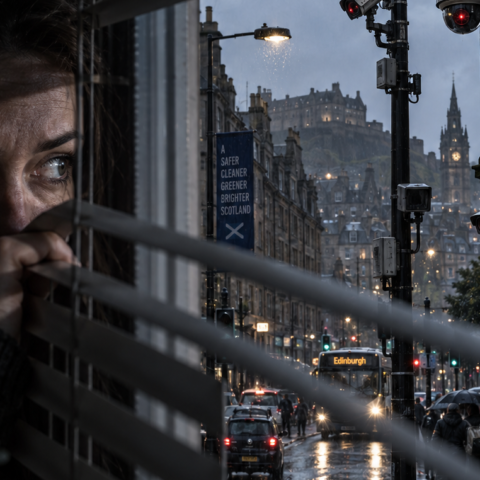
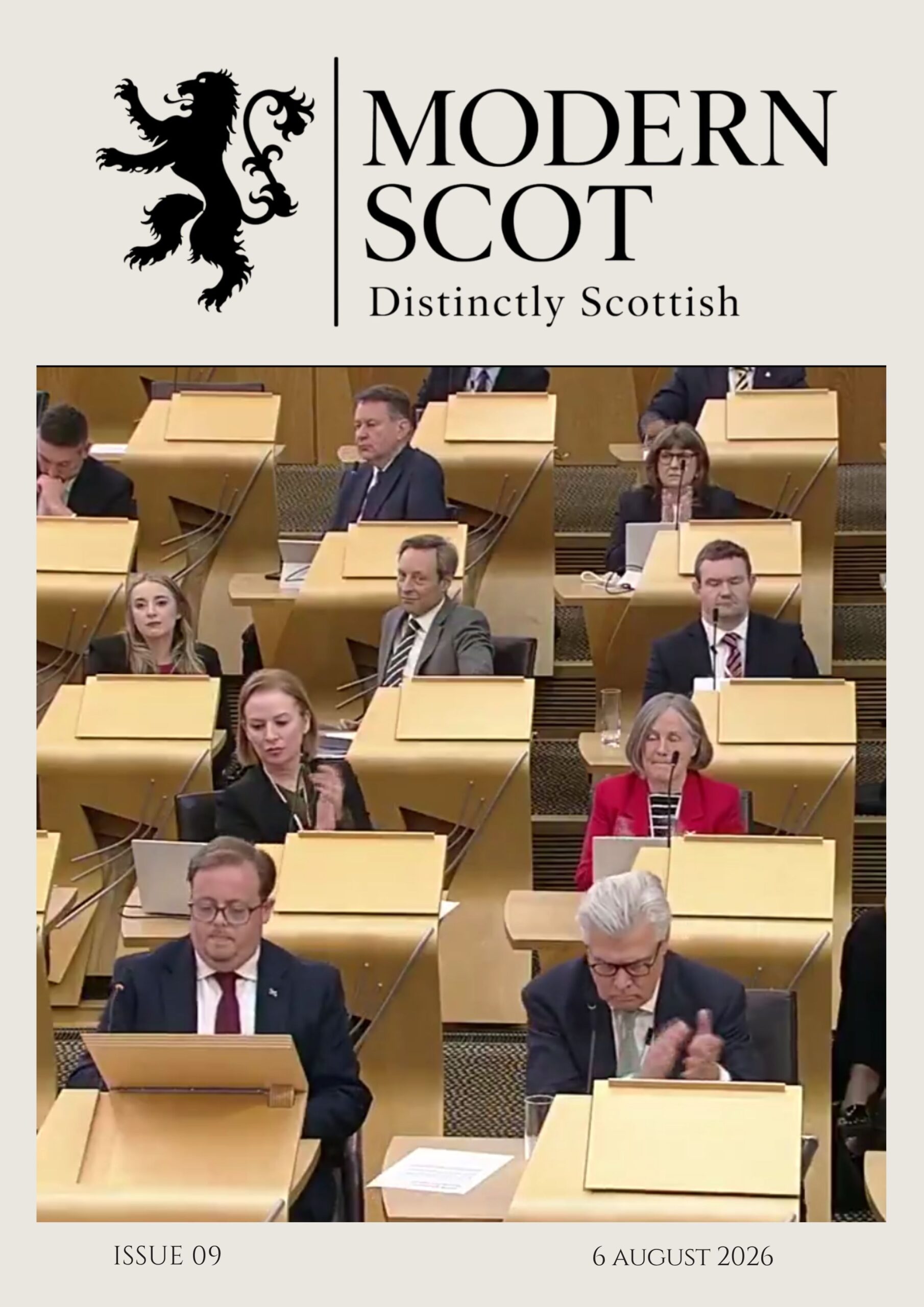
In little more than a decade, Scotland has watched a familiar piece of civic life disappear from hundreds of communities. The story begins with quiet rationalisation, passes through mass closures and parliamentary revolt, and ends (for now) with a new

Policy & Government

Clear reporting and explanation of Scottish Government, councils, public bodies, FOI releases, public policy and institutional decision making.
VIEW ALL

Energy

Coverage of Scotland’s energy system, including renewables, grid infrastructure, oil and gas transition, energy policy and energy security.
VIEW ALL

Infrastructure

Reporting on the physical systems Scotland depends on, including water, roads, ports, public buildings, grid, broadband, construction and civic facilities.
VIEW ALL

18.9K views

The Two Water Systems Of Scotland

3 August 2026
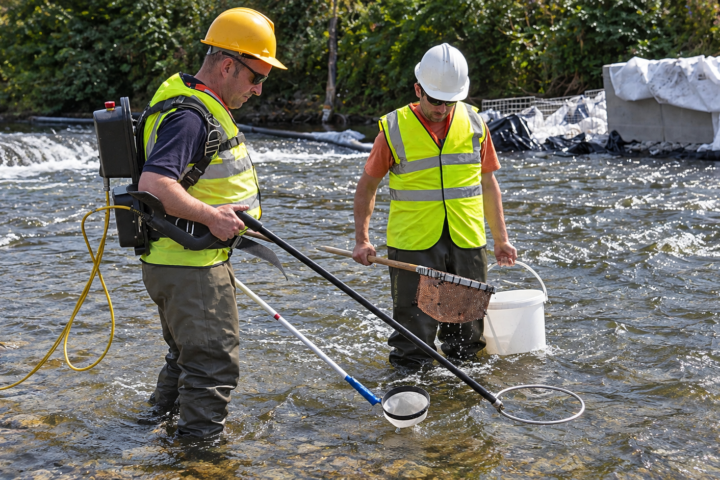
Thousands of people in rural Scotland rely on private water supplies, but ministers have never assessed how their costs and responsibilities compare with those of households connected to the public network. A

Transport

Coverage of Scotland’s roads, rail, ferries, buses, airports, ports, active travel and transport infrastructure.
VIEW ALL

Economy

Reporting and analysis on Scotland’s businesses, industries, investment, employment, manufacturing, rural economy and commercial life.
VIEW ALL

Environment

Reporting on Scotland’s land, water, climate, biodiversity, conservation, pollution, agriculture and natural heritage.
VIEW ALL

Heritage & Arts

Coverage of Scotland’s historic buildings, museums, archives, archaeology, language, culture, landscapes and public memory.
VIEW ALL

Community

Local and national stories about Scottish communities, public life, voluntary work, social change and everyday civic issues.
VIEW ALL

12.9K views

American Coffee and Other Emergencies

I was back at the wee fish shop somewhere between Thurso and Scrabster last Thursday, minding my own business, as I generally am when other people happen to be speaking loudly enough for me to hear them. Effie was standing by the haddock having a very quiet conversation with Elspeth. It was one of those conversations conducted at precisely the volume required to make every woman within twelve feet immediately interested. They both stopped talking when they saw me coming. I looked at Effie. I looked at Elspeth. “Well, spit it out,” I said. “What’s the matter?” Effie sighed. “Elspeth

Scotland In Focus

Visual accompanying “Vintage Dundee Gingerbread”

Mrs. Bruce’s Lasagna

132.9K views
This recipe is from Mrs. Bruce of Aberdeen. Filling: – 1 pound of hamburger meat (mince) – 1 pack of streaky bacon – 2 to 4 cubes of chicken stock (adjust to taste) – 2 medium to large carrots sticks, shredded – 1 large onion, diced up – 1 large bell pepper, diced up – 1 teaspoon powdered garlic – 1 tube of tomato paste (adjust to taste) 1. Cook the bacon until it is crisp and set it aside. 2. Cook hamburger (mince) and break it down while you cook it so it looks like taco meat 3. Re-add

Clothes Don’t Make The Woman

19K views
I had finished afternoon tea at a lovely establishment in the Highlands and was sitting on a bench outside, waiting for Mr Gunn. It had been a very satisfactory afternoon tea. The sandwiches had been small enough to suggest refinement, the cakes had been large enough to restore confidence, and the bill had been folded discreetly inside a little leather wallet so that one could discover the consequences in private. Mr Gunn had gone to fetch the car. This sounds like a simple undertaking, but Mr Gunn does not merely fetch a car. He checks it. He walks around it.
Map of scotland

Scots Words and Place-Names

165K views
Do you know the difference between a skellie and a skerrie or a smiddie and a souter? Or that wast is west and waster is wester? No? Then this website will help you out of the wuid and through the yett. Scots Words and Place-names (SWAP) is a simple but highly useful website created through the collaboration of several organizations, including the University of Glasgow, the National e-Science Centre (NeSC), the Scottish Place-Name Society and Jisc. The project concluded in 2011, but its database is timeless. The glossary itself is only 8 pages long, but it’s fully searchable and each